Rochester, New York
University of Rochester School of Medicine
Working with pioneering yeast geneticist Fred Sherman, she developed a rapid approach to chromosomal mapping of a recessive yeast gene.
1984Founding scientist · Vaccine pioneer · Institution builder
Dr Gita Sharma helped build new scientific institutions, advance the research behind India’s first indigenous recombinant hepatitis-B vaccine and develop biotechnology for public health across a five-decade career.

Chapter one · 1972–1974
In 1972, microbiology was not yet established as an independent university science programme in India.
At Osmania University, Dr Sharma and her mentor began with little more than a table, a chair and an ambition to build something the country did not yet have.
Following a recommendation from the University Grants Commission, they spent two years creating a full-fledged Department of Microbiology. It opened in 1974, with Dr Sharma as one of its founding faculty members.
It became her first experience of building something fundamental: the foundation of an institution.
The programme helped open new educational and employment pathways as microbiology departments and courses spread across the country.
Chapter two · 1984–1993
After a decade spent building the department, Dr Sharma travelled to the United States to work at the frontiers of molecular biology.
Rochester, New York
Working with pioneering yeast geneticist Fred Sherman, she developed a rapid approach to chromosomal mapping of a recessive yeast gene.
1984New York City
Three years of cloning work in interferon biology and interferon-induced gene expression deepened her expertise in molecular biotechnology.
1980sNew York City
She returned as visiting faculty, completing a two-year research programme while continuing her responsibilities at Osmania University.
1990–1993In 1993, she brought that knowledge back to Hyderabad.
Chapter three · 1993
Shantha Biotech began in Dr Sharma’s laboratory in Osmania University’s Department of Microbiology.
The team had the scientific ambition to develop an affordable recombinant hepatitis-B vaccine in India. Turning that ambition into a viable venture required persistence, trusted partners and patient capital.
The project advanced through scientific conviction, international partnership and a determination to make biotechnology more accessible.Read the full Shantha Biotechnics story
The earliest scientific work began at Osmania University.
Support from the Sultanate of Oman helped the early-stage project move from research towards development.
Dr Sharma presented the project to India’s Technology Development Board and secured its support.
Shanvac-B launches
The turning point
Shanvac-B became India’s first indigenous recombinant-DNA hepatitis-B vaccine. Its launch challenged dependence on expensive imports, made protection more accessible and demonstrated that advanced biotechnology could be developed and commercialised in India.
What began in one laboratory helped usher in an industry.
Chapter four · Science beyond the vaccine
Dr Sharma carried molecular biology from university research into drug discovery, commercial sequencing and clinical diagnostics—repeatedly creating capabilities that had not previously been available in India.
Ahmedabad · Biotechnology R&D
Over five years at the Zydus Cadila Healthcare Research Centre, she led biotechnology R&D and extended her molecular-biology experience into therapeutic research and product development.
Hyderabad · Drug discovery
After returning briefly to Osmania University and taking voluntary retirement, she joined M. P. Chary to build an integrated, biology-led drug-discovery company. Magene connected receptor assays and in-vitro validation with PK/PD, safety work and biosimilar development.
Ahmedabad · Genomics services
She helped establish one of India’s early commercial sequencing services, making advanced capability available beyond national laboratories and taking the company’s scientific services to international clients.
Hyderabad · Clinical genetics
Back in Hyderabad, she established genetic-testing services at Tapadia Diagnostics. She later guided the laboratory through NABL accreditation and ICMR authorisation for COVID-19 testing before stepping away during the pandemic.
Across each transition, the pattern remained the same: find the missing scientific capability, assemble the people and systems, and make it usable.
From Dr Sharma’s oral account · July 2026The historical record
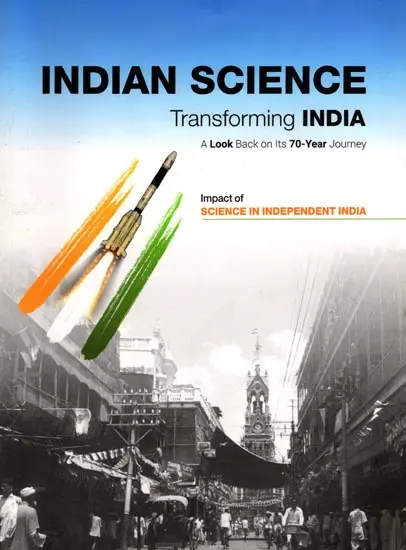
The Indian National Science Academy’s history records the birth of Shantha, Dr Sharma’s role in its early scientific team and the work that began in Osmania University.
Read the full story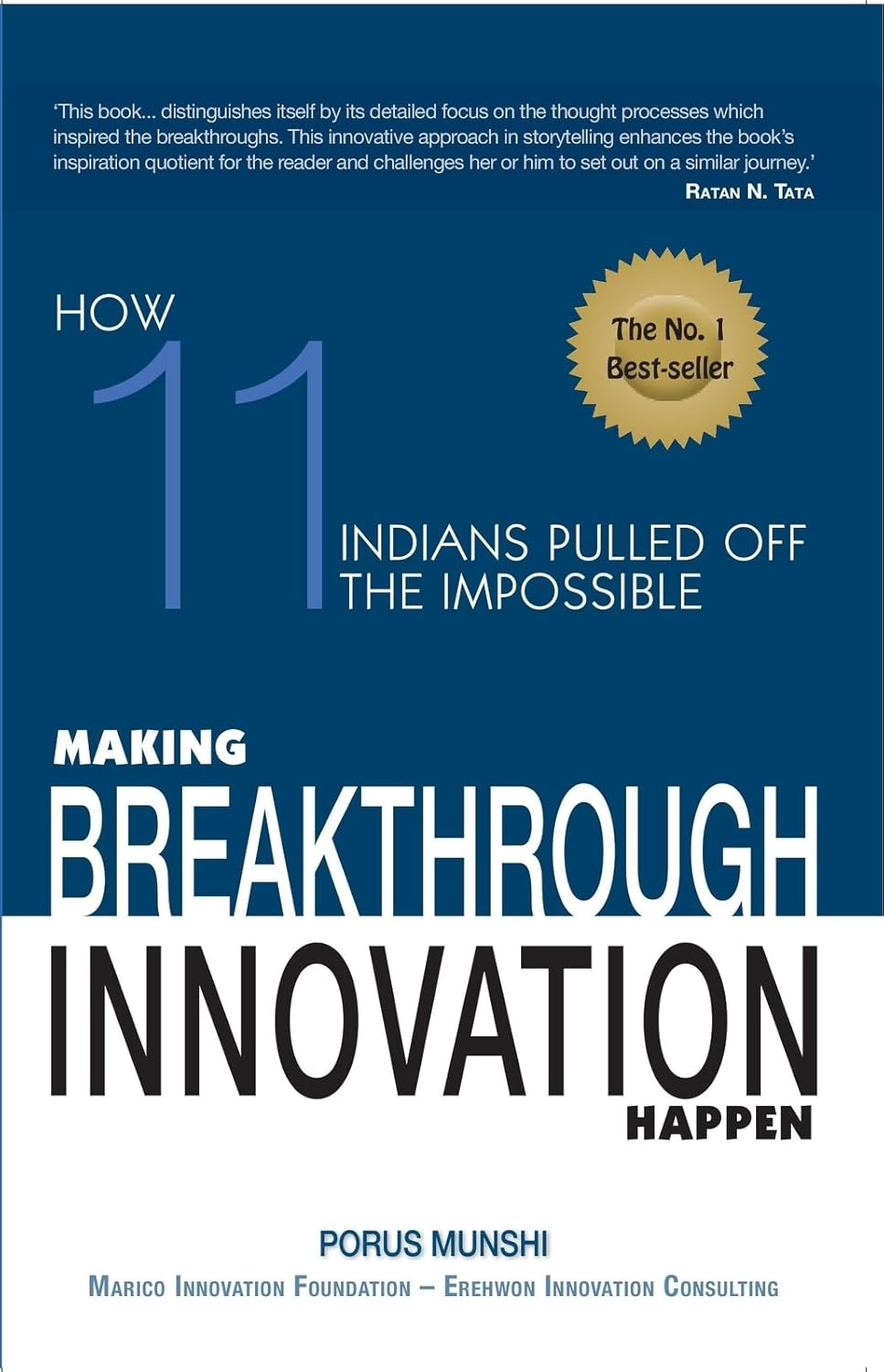
Porus Munshi profiles Shantha as one of eleven Indian breakthroughs that overturned industry assumptions and pulled off the impossible.
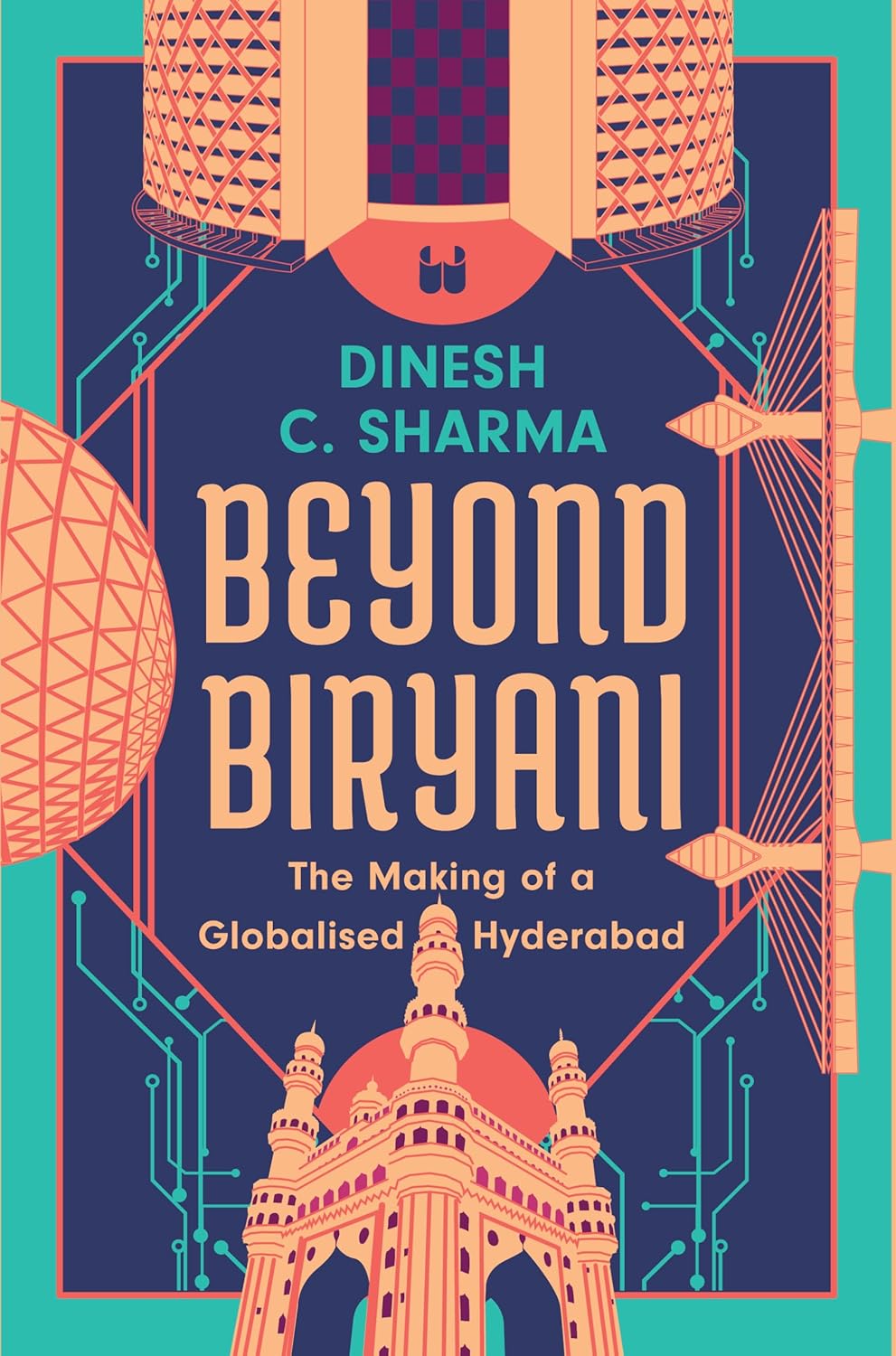
Dinesh C. Sharma places Shantha’s vaccine story within Hyderabad’s transformation into a globally recognised biotechnology centre.
Beyond one vaccine
Medicines and vaccines developed across a career in translational science.
Scientific work carried beyond research and into real-world healthcare.
Built and led across Shantha, Zydus, Magene, Xcelris and Tapadia.
From influenza virology and yeast genetics to vaccines and diagnostics.